Can Scalp Treatments Improve Color Retention and Overall Hair Health
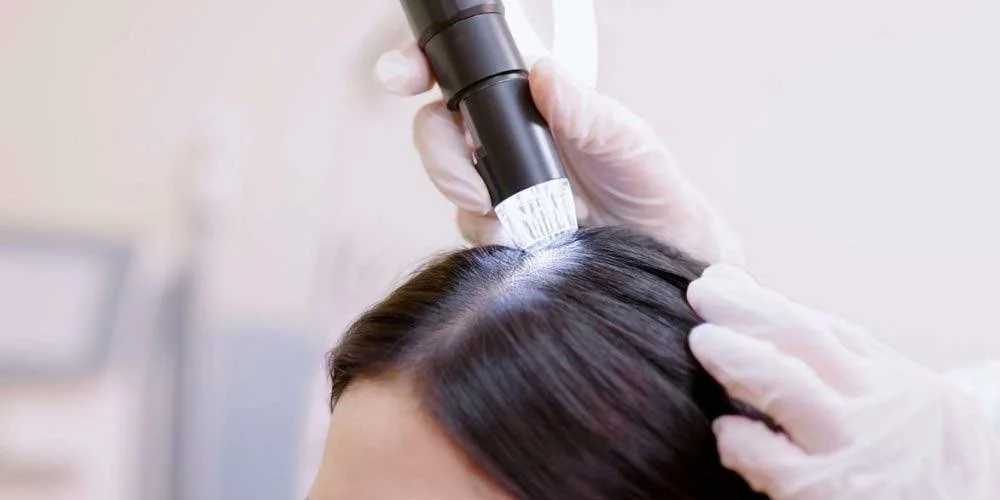
A healthy scalp is the foundation of strong, vibrant hair, yet it is often overlooked in color care routines. Many people focus on maintaining shine and tone through products and treatments for the strands themselves, but true color longevity starts at the root.
When the scalp is balanced, clean, and well-nourished, hair can absorb and retain pigment more effectively while growing stronger and healthier.
Regular scalp treatments remove buildup, improve circulation, and restore the natural environment needed for color-treated hair to thrive. Understanding the connection between scalp health and color retention can transform how you care for your hair, ensuring that your tone stays rich, your strands stay resilient, and your overall hair health improves over time.
Understanding the Scalp Hair Connection
The scalp is the living foundation from which every strand of hair grows, and its condition directly affects hair quality and color retention. Healthy follicles rely on proper blood flow, oxygen, and nutrient delivery to produce strong, shiny strands that hold pigment effectively. When the scalp becomes dry, oily, or clogged with product buildup, hair growth weakens and color fades faster.
A balanced scalp also maintains the correct pH level, ensuring the cuticle remains smooth and able to retain moisture and pigment. Just like skin, the scalp requires exfoliation, hydration, and nourishment to function properly. By maintaining a clean, healthy scalp environment, you not only encourage new growth but also create the ideal surface for even color absorption and long-lasting vibrancy in every hair strand.
How Scalp Health Affects Hair Color
The condition of your scalp plays a major role in how well your hair holds color, absorbs pigment, and maintains vibrancy over time. When the scalp is healthy, hair grows stronger, smoother, and more receptive to color.
However, if it is unbalanced, clogged, or inflamed, it can interfere with the coloring process and cause premature fading.
1. The Scalp as the Foundation of Color
Healthy hair begins at the follicle. Each strand grows from a tiny root embedded in the scalp, where it receives oxygen, nutrients, and hydration through blood circulation. When circulation is strong, follicles produce resilient strands capable of holding pigment more effectively. Conversely, a dry or congested scalp disrupts this supply, resulting in brittle, porous hair that struggles to retain color.
2. Build-Up and Its Effect on Color Absorption
Product residue, oil, and dead skin cells accumulate over time, creating a barrier that prevents dye from fully penetrating the hair shaft. This can cause uneven color application and dull results. Regular exfoliating scalp treatments remove buildup, allowing pigments to bind properly and ensuring a uniform, longer-lasting finish.
3. Balanced Oil and Moisture Levels
An overly oily scalp can make hair limp and quickly fade after coloring, while excessive dryness leads to flaking and irritation that weakens roots. Maintaining balance through hydrating and clarifying scalp treatments creates the ideal environment for color-treated hair to thrive.
4. Blood Flow and Nutrient Delivery
Scalp massage and stimulating treatments enhance blood flow, feeding follicles with essential vitamins and minerals. Improved circulation supports stronger hair growth, prevents breakage, and enhances the longevity of color vibrancy.
5. Preventing Damage and Dullness
Healthy scalp conditions strengthen the hair’s cuticle layer, which protects the pigment trapped within the strand. When this layer is damaged, color molecules escape easily, leading to dullness and fading. Nourishing scalp treatments help repair this barrier, locking in shine and color depth.
In essence, scalp health and color retention are deeply connected. A clean, hydrated, and well-nourished scalp not only promotes growth but also ensures your hair color remains rich, glossy, and long-lasting.
Types of Scalp Treatments and Their Benefits
A healthy scalp is essential for vibrant, strong hair and lasting color retention. Scalp treatments target the root of hair concerns by improving circulation, balancing oil levels, and maintaining a clean environment for hair growth. Whether at home or in a salon, these treatments help detoxify, hydrate, and strengthen both scalp and strands. Below are the most effective types of scalp treatments and their key benefits.
1. Exfoliating Scalp Scrubs
Just like facial skin, the scalp accumulates dead cells, oil, and product buildup. Exfoliating scrubs gently remove these impurities, allowing follicles to breathe and improving the absorption of nutrients and color pigments.
Regular exfoliation prevents dandruff, itchiness, and blocked follicles that can stunt growth. Natural exfoliants such as sea salt, sugar, or fruit enzymes stimulate blood flow and leave the scalp refreshed and balanced.
2. Hydrating Scalp Masks
Dryness is one of the leading causes of irritation and flaking. Hydrating masks replenish moisture and restore the scalp’s protective barrier.
Formulated with nourishing oils such as argan, coconut, or jojoba, these treatments help soothe tightness and prevent color-treated hair from fading due to dehydration. By maintaining moisture balance, the scalp supports healthier hair growth and prevents brittleness or breakage.
3. Detoxifying Scalp Treatments
Exposure to pollution, hard water, and styling products can lead to residue buildup that dulls both hair and color. Detox treatments use ingredients like charcoal, clay, or apple cider vinegar to remove toxins and restore pH balance. These treatments refresh the scalp environment, enhance oxygen flow to follicles, and create a cleaner surface for even color absorption. A detox session every few weeks can also prevent irritation and excess oil production.
4. Stimulating Serums and Oils
Stimulating scalp serums and oils are designed to boost circulation and strengthen follicles. Ingredients like peppermint, rosemary, or caffeine encourage microcirculation, improving nutrient delivery to hair roots. Enhanced blood flow supports thicker, healthier strands that retain color and vitality. Massaging these serums into the scalp regularly also relieves tension and promotes relaxation, which indirectly benefits overall scalp health.
5. Balancing and Soothing Treatments
For those with sensitive or oily scalps, balancing treatments help regulate sebum production and calm inflammation.
Botanical ingredients such as aloe vera, green tea, or chamomile reduce irritation and restore comfort. A balanced scalp ensures that color adheres evenly, preventing patchy tones or fading caused by excess oil or dryness.
6. Professional Scalp Facials
Salon scalp facials combine exfoliation, steam, massage, and nutrient-rich masks to deeply rejuvenate the scalp. They remove buildup, stimulate circulation, and promote relaxation while ensuring long-term scalp and hair health.
Professional treatments often use advanced ingredients like peptides, hyaluronic acid, and antioxidants for intense hydration and protection against color oxidation.
Regular scalp treatments improve hair texture, boost color retention, and create the optimal environment for healthy growth. They prevent dandruff, reduce irritation, strengthen follicles, and make hair more resilient against damage. A clean, balanced scalp allows color to stay rich and luminous for longer while maintaining softness and shine.
Role of Circulation and Follicle Stimulation
Delivers Nutrients: Good circulation brings oxygen, vitamins, and minerals to hair follicles, strengthening roots and boosting pigment retention.
Boosts Hair Growth: Stimulated follicles get more nutrients, leading to thicker, faster, and healthier hair growth.
Enhances Color Absorption: A healthy scalp ensures smoother, more resilient hair strands, helping color pigments bond better.
Reduces Hair Loss: Better circulation keeps follicles active and reduces premature shedding from stress or nutrient lack.
Adds Shine and Vibrancy: Improved blood flow enhances the scalp’s natural oil production, making hair shinier, softer, and more vibrant.
Supports Long-Term Health: Regular scalp massage or stimulation keeps follicles strong, improves hair texture, and naturally extends color longevity.
Scalp Treatments for Color-Treated Hair
Color-treated hair requires scalp care that is gentle, nourishing, and protective. Harsh exfoliants or sulfate-based cleansers can strip pigment and moisture, leading to faster fading and dryness. Instead, opt for treatments specifically formulated for color preservation.
Hydrating scalp masks infused with natural oils such as argan, jojoba, or coconut restore balance without disturbing the cuticle. Mild exfoliating treatments using fruit enzymes or fine botanical particles remove buildup while keeping pigment intact.
Antioxidant-rich serums with green tea or vitamin E protect against oxidative stress that can dull color. Treatments containing peptides or keratin strengthen both scalp and strands, improving resilience and shine.
Regular gentle massages during application increase blood flow, supporting healthy follicles and longer-lasting color vibrancy. Proper scalp care maintains comfort, hydration, and the radiance of color-treated hair.
Can You Safely Color Hair If You Have a Sensitive Scalp?
If you have a sensitive scalp, coloring your hair can feel intimidating, but it doesn’t have to be off-limits. The key is to take extra precautions and choose the right products and techniques. Sensitivity often comes from dryness, allergies, or previous chemical exposure, all of which can make the scalp react to certain dyes.
Look for color formulas labeled as ammonia-free, PPD-free, or made for sensitive skin. These are gentler on the scalp and less likely to trigger irritation or burning. Before any color service, do a patch test to check for possible allergic reactions.
If you're working with a stylist, let them know about your sensitivity so they can apply protective scalp oils, adjust processing time, or use a lower-volume developer. For at-home coloring, prep your scalp with a hydrating treatment the day before, and avoid washing your hair immediately before applying dye natural oils help act as a barrier.
With the right approach, you can enjoy vibrant color without compromising comfort or scalp health.
At-Home vs Professional Scalp Care
Maintaining a healthy scalp is essential for strong, shiny, and vibrant hair, especially if it is color-treated or chemically processed. Scalp care can be approached in two main ways: at home, through consistent self-care routines, and professionally, through advanced salon treatments.
Both have unique benefits, and combining them often yields the best long-term results for scalp balance, color retention, and overall hair vitality.
1. At-Home Scalp Care
At-home scalp care focuses on consistency and prevention. It involves creating a simple, regular routine that keeps the scalp clean, hydrated, and nourished between salon visits.
Cleansing and Exfoliation: Regular cleansing helps remove product residue, excess oil, and dead skin cells that can clog follicles and dull color. Using a gentle, sulfate-free shampoo and an exfoliating scalp scrub once a week promotes circulation and keeps the scalp refreshed. Exfoliation improves color retention by ensuring hair dyes adhere evenly and by preventing buildup that can cause patchiness.
Hydration and Nourishment: Moisturizing masks and lightweight oils maintain the scalp’s natural barrier, preventing dryness or irritation that often comes from color treatments. Ingredients like aloe vera, tea tree oil, and jojoba oil balance sebum levels and soothe sensitivity.
Stimulation and Massage: A simple scalp massage during washing or before bedtime can make a significant difference. It stimulates blood flow, enhances nutrient delivery to follicles, and supports healthy hair growth. This natural stimulation can also help strengthen the roots, leading to shinier, more resilient strands.
Consistency and Lifestyle: At-home scalp care is all about regularity. Incorporating healthy habits such as staying hydrated, eating nutrient-rich foods, and protecting the scalp from heat and sun exposure contributes to lasting results. It is cost-effective and easy to maintain but may not address deep-rooted issues like severe buildup or inflammation.
2. Professional Scalp Care
Professional scalp treatments provide a deeper level of cleansing and restoration. Performed by stylists or trichologists, these services combine advanced technology, targeted ingredients, and expert techniques to treat specific scalp concerns.
Deep Detoxification: Salon scalp facials and detox treatments use steam, ultrasonic devices, or micro-mist technology to open pores and remove impurities more effectively than at-home products. This process eliminates stubborn buildup from hard water, pollution, and styling residues that block follicles and prevent healthy growth.
Personalized Treatments: Professionals analyze your scalp condition before treatment, ensuring the products used are tailored to your unique needs. For color-treated hair, stylists often use antioxidant-rich serums and peptide-infused tonics that protect pigment while rejuvenating the scalp. These formulas balance the pH, soothe irritation, and strengthen the scalp barrier.
Enhanced Circulation and Relaxation: Professional massages stimulate microcirculation more effectively, enhancing nutrient delivery and oxygen flow to the follicles. This helps improve scalp health and supports long-term color vibrancy. In addition, these sessions provide deep relaxation, reducing stress, which can contribute to scalp tension and hair shedding.
Long-Term Benefits: Professional treatments often include active ingredients such as hyaluronic acid, amino acids, or botanical extracts that penetrate deeper into the scalp. Regular sessions every four to six weeks can help address chronic dryness, oil imbalance, or early signs of hair thinning, complementing at-home care efforts.
3. Combining Both Approaches
The most effective scalp care strategy combines at-home maintenance with professional treatments. Daily care ensures balance and cleanliness, while salon sessions provide targeted repair and renewal. For color-treated hair, alternating between both helps protect pigment, strengthen follicles, and sustain long-term scalp health.
At-home scalp care builds the foundation for everyday health, while professional scalp treatments deliver deeper rejuvenation and precision. Together, they create a holistic approach that supports color retention, promotes growth, and keeps both scalp and hair looking healthy, radiant, and full of life.
Additional Tips for Color Retention and Hair Health
Here are a few more tips to help you maintain color and keep your hair healthy:
Use Color-Safe Shampoo and Conditioner: Opt for specially formulated shampoos and conditioners that are sulfate-free and designed to protect dyed hair. Sulfates can strip away hair color, leading to premature fading. Look for products that gently cleanse while nourishing the hair, helping to lock in pigment and maintain vibrancy.
Avoid Overwashing: Washing your hair too frequently can strip away essential natural oils and accelerate color fade. Aim to wash your hair two to three times per week, allowing your scalp's natural oils to condition your strands and preserve the color's intensity.
Rinse with Cool Water: After shampooing and conditioning, rinse your hair with cool or lukewarm water. Cold water helps to close the hair cuticles, sealing in moisture and, crucially, the color pigments, which contributes to longer-lasting, more vibrant hair color.
Limit Heat Styling: Excessive heat from styling tools like flat irons, curling wands, and blow dryers can damage the hair cuticle and cause color to fade more quickly. Whenever possible, use lower heat settings and always apply a high-quality thermal protectant spray before any heat styling to create a barrier and minimize damage.
Protect from UV Exposure: Just like your skin, your hair can suffer from sun damage. Prolonged exposure to ultraviolet (UV) rays can break down hair pigments, leading to dullness and fading. Protect your hair by wearing hats when outdoors or using leave-in products that contain UV filters to shield your color from the sun's harsh effects.
Maintain Regular Trims: Regular trims, typically every six to eight weeks, are vital for maintaining healthy hair, especially for color-treated strands. Trimming removes dry, split, or damaged ends, which can make hair look dull and unhealthy. This practice helps to keep your hair looking fresh, strong, and vibrant from root to tip, enhancing the overall appearance of your color.
Professional Insights
Professional stylists and trichologists agree that scalp care is the foundation for lasting hair color and overall strength.
According to experts, color-treated hair benefits most from regular scalp detoxification and hydration treatments that maintain pH balance and prevent buildup. Professionals recommend exfoliating the scalp gently once or twice a month and incorporating nourishing serums with antioxidants and natural oils to improve circulation.
They also stress the importance of post-color care, as a freshly dyed scalp is more sensitive and requires soothing, color-safe formulations.
Scheduling professional scalp treatments every four to six weeks helps preserve pigment and keep follicles healthy. Ultimately, consistent scalp care ensures both the longevity of color and the long-term vitality of the hair itself.
FAQs
Can scalp treatments really help with color retention?
Yes. A clean scalp and balanced oil levels improve hair and scalp health, supporting better color absorption during hair coloring. Studies in the International Journal of Trichology show that scalp care leads to a significant reduction in fading for color-treated hair by keeping cuticle scales smooth and intact.
How do scalp treatments support overall hair health?
Regular treatments nourish the outer layer of human hair, restoring moisture and reducing frizz caused by environmental stressors and chemical processing. Using cruelty-free or mild shampoos helps protect colored hair from harsh ingredients that weaken hair structure.
Can scalp treatments help with scalp issues?
Absolutely. Dry scalp, oily hair, or flaky scalp from seborrheic dermatitis can all benefit from a soothing head spa or coconut oil massage to calm irritation.
Should I include them in my routine?
A regular hair care routine with a leave-in conditioner, mild shampoos, and scalp-friendly products prevents itchy scalp, maintains color processing results, and supports healthy hair growth across all scalp types.
Conclusion
Scalp treatments play a crucial role in maintaining both color retention and overall hair health. By cleansing, exfoliating, and nourishing the scalp, these treatments create the ideal environment for strong, vibrant hair growth.
A balanced and well-cared-for scalp ensures that color pigments adhere evenly and stay radiant for longer, while improved circulation delivers essential nutrients to each follicle.
Whether done at home or professionally, regular scalp care helps prevent dryness, buildup, and irritation that can dull color and weaken strands. Investing in scalp treatments not only enhances color longevity but also supports long-term hair strength, shine, and resilience, ensuring your hair looks and feels healthy season after season.
Salon Haze is an award-winning hair salon in Vancouver, Kitsilano area. We are specialists in colour and style. If you are considering a new colour or style for your hair, contact us, and we’ll talk you through all the options to ensure your choice of colour reflects your personality and complexion.
Call today for a free consultation with one of our stylists. We have the best hairdressers and the best hair colourists in Vancouver. Call now at 604-620-9986 or email us at service@salonhaze.com.