Should You Go for a Root Smudge Shadow Instead of a Full Colour Retouch
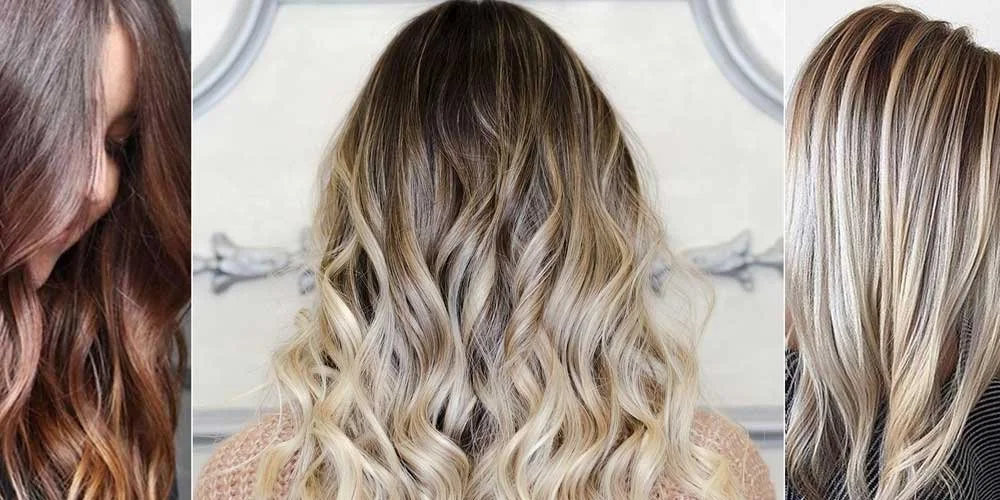
If your color appointments keep feeling like a race against visible roots, it may be time for a different approach. Regular full-color retouches can be expensive, time-consuming, and sometimes harsh on your hair. That is where a root smudge or shadow root can make all the difference. These techniques are designed to soften regrowth lines, blend tones, and extend the time between salon visits.
Rather than covering your roots completely, these methods gently blur the transition between your natural shade and colored strands. The result is a softer, more seamless look that grows out beautifully.
In this article, we will discuss the difference between a root smudge, a shadow root, and a traditional full-color retouch. You will also discover when each technique works best, how they influence your maintenance routine, and how to choose the one that fits your lifestyle and hair goals.
What Is a Full Color Retouch?
A full-color retouch is the standard salon process for refreshing your color by applying dye to regrowth areas. It restores uniformity and brightness, keeping your shade consistent from root to tip.
While this method provides maximum coverage and a clean, polished look, it can also make regrowth more noticeable once your natural roots start to show.
Advantages of a Full Color Retouch
Even color tone: Perfect for those who prefer a consistent shade throughout.
Great for gray coverage: Especially effective for individuals with high percentages of gray hair.
Customizable formulas: Your stylist can adjust tone or brightness each visit.
Drawbacks of a Full Color Retouch
Frequent upkeep: Most people need a retouch every 4 to 6 weeks.
Possible scalp sensitivity: Regular chemical exposure can irritate sensitive scalps.
Flat appearance: Lacks the depth and dimension that modern blended looks offer.
This is where root-blending techniques like smudge and shadow roots offer a softer alternative.
What Is a Root Smudge?
A root smudge is a technique where a slightly darker semi-permanent color is applied to the roots and then blended into the lighter hair color.
The goal is not full coverage but rather a gentle transition that softens the line between natural regrowth and the dyed portion.
Think of it as an airbrushed gradient that refreshes your style without starting over.
Benefits of a Root Smudge
Softens regrowth: Prevents harsh demarcation lines.
Adds depth: Creates a more natural, dimensional look.
Extends time between appointments: Fades gracefully over several weeks.
Less damaging: Uses semi-permanent or demi-permanent color instead of permanent dye.
Best for: People who wear highlights, balayage, or blonde tones often benefit most from a root smudge, as it gives that “lived-in blonde” effect that remains chic between visits.
What Is a Shadow Root?
A shadow root is similar to a smudge but uses a deeper, more defined root color. Instead of subtly blending the tones, this technique adds intentional contrast for a bolder look.
The darker root color seamlessly melts into lighter mid-lengths and ends, mimicking how natural hair lightens from the sun.
Benefits of a Shadow Root
Low maintenance: Blends naturally as your roots grow.
Modern and dimensional: Adds contrast for visual interest.
Versatile: Works on almost any hair color, from blonde to copper to brunette.
Customizable: You can go subtle or dramatic, depending on your style preference.
Best for: People who love dimension and want a naturally blended, rooty look that still feels polished. Shadow roots also suit anyone who prefers long stretches between salon visits.
The Key Difference Between Root Smudge and Shadow Root
While both techniques aim to blur harsh regrowth lines, they differ in intensity and tone placement.
| Feature | Root Smudge | Shadow Root |
|---|---|---|
| Color Depth | Slightly darker than mid-lengths | Noticeably darker, adds contrast |
| Application | Applied close to roots and softly blended | Covers roots and melts further down |
| Overall Look | Soft and subtle | Defined and dimensional |
| Maintenance | 6–8 weeks | 8–12 weeks or more |
| Ideal For | Blonde or lightened hair | Brunette, balayage, or ombré styles |
In simple terms, a smudge creates a whisper of root color, while a shadow adds intentional depth and contrast.
Why You Might Choose a Root Smudge or Shadow Instead of a Full Retouch
If you are tired of strict color schedules or want to give your hair a break, switching to a blending technique can be a game-changer.
1. More Natural Grow-Out
Root smudge and shadow techniques fade gradually, making your natural regrowth look intentional rather than unkempt.
2. Lower Maintenance Costs
You will not need to visit the salon as often since your color transition remains soft and flattering even after several weeks.
3. Healthier Hair
Because these techniques often use semi-permanent or demi-permanent color, they cause less stress on your strands and scalp than permanent dyes.
4. Softer Look
Root smudges and shadows mimic natural hair lightening, creating a multi-dimensional effect that looks effortlessly polished.
5. Trend-Forward Style
Modern color trends favor seamless, lived-in finishes over overly uniform tones. A smudge or shadow root aligns perfectly with that aesthetic.
When a Full Color Retouch Is Still the Better Option
While root blending works well for many, there are cases where a full retouch is the better option.
For complete gray coverage, only permanent dye can deliver the desired results. Vibrant or solid color styles, such as bold reds, purples, or jet-black tones, require full saturation to maintain their intensity and impact. Additionally, uneven or patchy tones may need a full retouch to reset the base and achieve consistency.
For sharp regrowth lines, particularly with platinum blonde or very light shades, precise root work is essential. A full retouch ensures uniform color, professional results, and a flawless finish.
How to Transition from Full Color to Root Smudge or Shadow
If you have been doing full retouches for years, transitioning to a smudged or shadowed root can make your hair routine easier without sacrificing polish.
Step 1: Consult with Your Colorist
Discuss your long-term goals. A professional can assess your color history and suggest the right blend of tones to create a seamless transition.
Step 2: Choose the Depth and Placement
Decide whether you want a soft blend (smudge) or stronger contrast (shadow). Your stylist can customize placement based on your part line and how your hair falls naturally.
Step 3: Tone and Blend
During your first appointment, your stylist will apply a demi-permanent shade at the roots, gently melting it into the lighter sections. This may take one or two sessions to perfect, depending on your existing color.
Step 4: Maintain with Glosses
Between appointments, refresh your tone with gloss treatments. These keep your hair shiny, hydrated, and free of brassiness.
How to Maintain Your Root Smudge or Shadow
Proper care keeps your blended color fresh and luminous for longer.
Wash Less Frequently
Washing two to three times a week helps preserve tone. Use dry shampoo between washes if needed.Use Color-Safe Shampoo
Sulfate-free formulas prevent fading and maintain softness. Purple or blue shampoos can help neutralize unwanted undertones, depending on your shade.Hydrate Weekly
Root blending involves less damage, but lightened hair still needs moisture. Use a hydrating mask once a week to keep strands supple and shiny.Protect from Heat
Always use a heat protectant before blow-drying or styling. Overheating can fade your smudge or shadow prematurely.Schedule Toning Touch-Ups
Glosses or toners every 6 to 8 weeks refresh your shade and keep the blend seamless.Avoid Harsh Clarifying Products
Strong cleansers or high-alcohol sprays can strip color. Stick with gentle, pH-balanced formulas.
Common Mistakes to Avoid
Even subtle techniques like smudging and shadowing can go wrong if not applied or maintained properly.
Going too dark can make your hair appear shorter or create an unnatural line.
Skipping professional help often leads to uneven blending and patchiness.
Neglecting glossing allows brassiness to appear over time.
Using high heat tools frequently accelerates fading and dryness.
Being proactive with maintenance ensures your color grows out beautifully and lasts longer between salon visits.
What Are The Latest Hair Color Trends
Hair color trends continue to evolve, blending creativity with low-maintenance techniques that suit modern lifestyles. Today’s most popular looks focus on natural depth, dimension, and effortless shine rather than solid, high-maintenance tones.
1. Lived-In Blends
Soft, blended roots like smudge, shadow, and melt techniques dominate salon requests. These looks mimic natural regrowth, offering an easy transition between appointments while maintaining a polished, multidimensional finish.
2. Warm Dimensional Shades
Warmth has made a comeback. Rich tones like honey blonde, caramel brunette, cinnamon red, and golden copper add radiance to the complexion and create a cozy, seasonal glow.
3. Glossed Neutrals
Neutral shades with a glossy finish — such as creamy beige, sand blonde, and soft mocha — are trending for their subtle sophistication. A gloss treatment adds reflective shine while maintaining depth and tone.
4. Expensive Brunette and Soft Black
Deeper hues are becoming a statement of elegance. These shades rely on multi-tonal highlights and shadowing to create richness without harsh contrast, making hair appear thicker and more luxurious.
5. Face-Framing Highlights and Balayage Refreshes
Strategic lightening around the face brightens features and revives older color. Modern balayage techniques continue to evolve, focusing on soft transitions and light placement that enhances natural movement.
6. Pastel and Statement Hues
For the bold, soft pastel pinks, muted lavenders, and smoky blues remain in style — especially when paired with shadow roots for easier upkeep. These tones fade beautifully while staying expressive.
Staying on trend doesn’t mean constant upkeep — it’s about finding tones that complement your features and evolve gracefully over time. Whether you prefer subtle contrast or bold transformation, today’s hair color trends emphasize individuality, health, and effortless beauty.
How to Decide What’s Right for You
When it comes down to it, your lifestyle, desired color, and natural hair texture all play a big role in which method will work best for you.
Go for a Root Smudge if:
You already have highlights or balayage.
You like a soft, blended root that melts away naturally.
You want a low-maintenance look that still feels salon-fresh.
Pick a Shadow Root if:
You love depth, contrast, and dimension.
You want to stretch your salon visits further apart.
You prefer a trendy, “lived-in” look.
Opt for a Full Retouch if:
You have significant gray coverage needs.
You want a consistent, solid color from root to tip.
You prefer a classic, ultra-polished finish.
Sometimes your stylist may even combine techniques—such as a full retouch at the crown and a soft smudge through the mid-lengths—for the best of both worlds.
FAQs
What is a root smudge or root shadow?
A root smudge technique blends your natural hair color into dyed lengths for a softer gradient effect. Using a darker shade at the roots creates a natural transition between your base and lighter tones, eliminating harsh lines and producing a seamless, lived-in finish.
Why do so many people choose a root melt instead of a full retouch?
Root melts and root shadows are ideal for those with naturally dark hair who want minimal maintenance. They allow a gradual transition between tones and reduce frequent color appointments while keeping the natural root color intact.
Does a root smudge work for all hair types?
Yes. Whether you have blonde, brown, or multi-toned hair, this technique adapts easily. It helps your natural color blend with the dyed sections without harsh contrasts.
What are the benefits of choosing this over full coloring?
It is perfect for clients seeking the least amount of root upkeep. A quick gloss refresh blends light and dark tones beautifully while maintaining a natural, dimensional look.
Conclusion
Choosing between a full color retouch, root smudge, or shadow root depends on how you want your hair to look and how much maintenance fits your lifestyle.
If you are ready for a lower-maintenance, dimensional look that grows out gracefully, a root smudge or shadow root offers flexibility without compromising beauty. For those who love consistent, full-coverage color, a traditional retouch still has its place.
The best choice is one guided by your stylist’s expertise and your long-term hair goals. With the right technique, you can enjoy a stunning, natural blend that enhances your features and keeps you feeling confident long after you leave the salon.
Salon Haze is an award-winning hair salon in Vancouver, Kitsilano area. We are specialists in colour and style. If you are considering a new colour or style for your hair, contact us, and we’ll talk you through all the options to ensure your choice of colour reflects your personality and complexion.
Call today for a free consultation with one of our stylists. We have the best hairdressers and the best hair colourists in Vancouver. Call now at 604-620-9986 or email us at service@salonhaze.com.